

Sawan 2027: Start and End Dates, Every Sawan Somvar, and the 2 August Eclipse
Sawan 2027 opens on a Monday, 19 July, so the first day of the month is also its first Somvar. By the Purnimanta reckoning of north India it closes on Tuesday 17 August after five Mondays, and the third of them, 2 August, is a Somvati Amavasya with a solar eclipse.
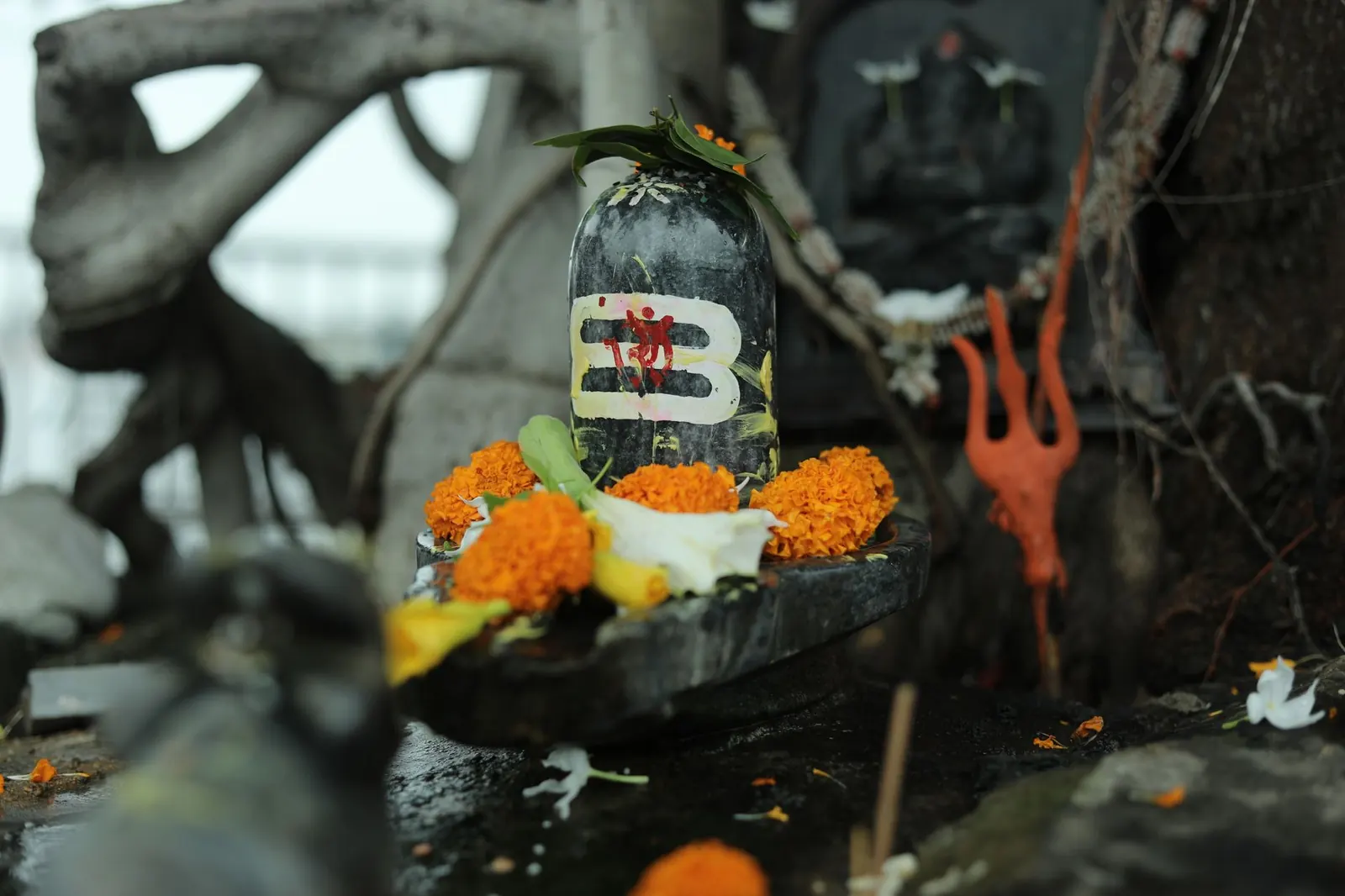
The Sawan 2027 start date in the Purnimanta calendar, the one most of north India follows, is Monday, 19 July 2027, and the month ends on Tuesday, 17 August 2027, the full Moon of Shravana that is also Raksha Bandhan. That span holds five Mondays, so 2027 is a five-Somvar Sawan. One of those Mondays, 2 August, is also an Amavasya and the day of a solar eclipse that most of India will see as a partial one. If your family follows the Amanta calendar of Maharashtra, Gujarat and the south, your Shravan runs later, from 3 August to 31 August, with four Mondays; only 9 and 16 August appear on both lists.
Sawan 2027 start date and end date at a glance
| What | Purnimanta calendar (north India), 2027 |
|---|---|
| Last day of Ashadha (Guru Purnima) | Sunday, 18 July |
| Sawan begins | Monday, 19 July |
| Sawan ends (Shravana Purnima, Raksha Bandhan) | Tuesday, 17 August |
| Number of Sawan Somvar | Five |
Two small coincidences make 2027 easy to remember. Sawan opens on a Monday, so the very first day of the month is also its first Somvar. And the last Monday, 16 August, falls the day before the month closes. Every Monday of the month is therefore inside the Sawan window, with no half-weeks at either end to argue over.
Sawan Somvar 2027: all five Mondays
These are the Mondays inside the Purnimanta Sawan of 2027, counted straight from the calendar.
| Sawan Somvar | Date | What else falls that day |
|---|---|---|
| First | Monday, 19 July | First day of Sawan |
| Second | Monday, 26 July | Krishna paksha (waning Moon) |
| Third | Monday, 2 August | Amavasya (Somvati Amavasya) and a solar eclipse |
| Fourth | Monday, 9 August | Shukla paksha (waxing Moon) |
| Fifth | Monday, 16 August | Day before Shravana Purnima |
A note for anyone who has used a "first to fourth Somvar" list in earlier years: Sawan has four Mondays in some years and five in others, because a lunar month is about 29 and a half days long and does not always hold the same number of weekdays. In 2027 there are five, so a vow of "every Sawan Monday" means five fasts, not four. If you made a vow for a fixed number, such as sixteen Mondays (solah somvar) starting in Sawan, count from 19 July.
Why Sawan starts on different dates in different states
India uses two ways of naming lunar months, and both are traditional.
- Purnimanta (month ends on the full Moon): followed across most of north India, including Uttar Pradesh, Bihar, Madhya Pradesh, Rajasthan, Delhi, Punjab and Himachal. The dates in this article are Purnimanta.
- Amanta (month ends on the new Moon): followed in Maharashtra, Gujarat, Goa, Karnataka, Andhra Pradesh, Telangana and much of the south, where the month is usually called Shravan or Shravana.
The two systems share the same fortnights; they only draw the month boundary in a different place. The dark fortnight that north India already counts as the first half of Sawan is, in the Amanta reckoning, still the last half of Ashadha. So the Amanta Shravan month 2027 starts after the new Moon, roughly a fortnight later than the northern Sawan, and ends roughly a fortnight later too. Its list of Mondays is different as a result.
Drik Panchang's Sawan Somwar 2027 list gives the Amanta Shravan as Tuesday 3 August to Tuesday 31 August 2027, with four Shravan Somvar: 9, 16, 23 and 30 August (New Delhi; check your region's panchang). 9 and 16 August fall in Sawan in both calendars. If you are unsure which reckoning your family follows, ask your elders or your family priest. Neither calendar is "correct" and the other "wrong": each family follows the reckoning of its own region, and the Shravana full Moon, Raksha Bandhan, is the same day in both.
2 August 2027: Somvati Amavasya and a solar eclipse on a Sawan Monday
The third Sawan Somvar is unusual. Drik Panchang's 2027 calendar lists Monday 2 August as both a Somvati Amavasya (a new Moon that falls on a Monday) and a Surya Grahan. The eclipse is a total one, but the path of totality lies outside India, and most of India will see it only as a partial eclipse. How much of the Sun is covered and at what time depends on your city; we have not verified those figures, so we do not give them. Our eclipses 2027 guide explains what a partial eclipse looks like, when tradition keeps sutak, and how to watch without hurting your eyes.
Each of the three, separately, is a day families mark:
- Sawan Somvar is the weekly Shiva fast of the month.
- Somvati Amavasya is traditionally kept with a holy bath, offerings for ancestors and, in many homes, a married woman's prayer around a peepal tree.
- A grahan is, by tradition, a time to stop cooking and eating, sit for japa, and bathe and give in charity once it ends.
How they fit together depends on one question: is the eclipse visible where you live? Tradition applies sutak only to a grahan that can be seen from your place.
Worked example: planning the day (an illustration, not a timetable)
Suppose a family in a north Indian city keeps all five Sawan Mondays, and their panchang shows the 2 August eclipse as visible there in the daytime.
- Before sutak begins, they finish the morning bath, the Shiva puja and the jal abhishek, since many temples close their doors during sutak.
- During the sutak and the eclipse, the fast simply continues: no cooking and no meal, which a Somvar fast-keeper would be skipping anyway. They spend the time in japa, often Om Namah Shivaya or the Mahamrityunjaya mantra.
- After the eclipse ends, they bathe, clean the puja space, give in charity, and break the fast in the evening with freshly prepared food.
If the panchang says the eclipse is not visible in their city, no sutak applies and the Monday is kept like any other Sawan Somvar, with the Somvati Amavasya observances added. In both cases the timings come from the panchang for the family's own city, not from a news headline.
What the eclipse does not mean: it is not an omen that spoils the whole month or cancels the vrat, and it is not a reason for anyone who is pregnant, unwell or on medicine to skip food or medicine. Most traditions relax sutak for children, the elderly, the unwell and anyone who is pregnant.
Other days of Sawan 2027
These are the other observances inside the Purnimanta Sawan of 2027, from the same Drik Panchang calendar (New Delhi; check your city).
| Date | Day | Observance |
|---|---|---|
| 29 July | Thursday | Kamika Ekadashi |
| 2 August | Monday | Somvati Amavasya; Surya Grahan |
| 4 August | Wednesday | Hariyali Teej |
| 6 August | Friday | Nag Panchami |
| 12 August | Thursday | Shravana Putrada Ekadashi |
| 13 August | Friday | Varalakshmi Vrat |
| 17 August | Tuesday | Raksha Bandhan (Shravana Purnima); penumbral lunar eclipse |
The last day of the month carries a second eclipse: Drik lists a penumbral (upachchaya) Chandra Grahan on Raksha Bandhan. A penumbral eclipse only dims the Moon slightly and is hard to notice by eye; the eclipses 2027 guide explains how panchangs treat it. Drik also shows a second, "gauna" Kamika Ekadashi on 30 July, which some traditions observe instead; follow the one your family keeps. Since dates by tithi can move by a day from one city to another, it is worth opening Astroliya's panchang for the exact day's tithi where you live. Our festivals calendar has the rest of the year.
How the Sawan Somvar vrat is kept
There is no single rulebook, and families differ. What follows is the common pattern astrologers and priests describe.
- Sankalp in the morning. After a bath, the fast-keeper states the intention: which Mondays, for whom, and in what form (no food, fruit only, or one meal).
- Jal abhishek. Water, often mixed with a little milk, is poured over a Shiva linga at home or at a temple. Bel (bilva) leaves, white flowers, dhatura and bhasma are commonly offered. Many families avoid turmeric and kumkum on the linga itself.
- Japa and listening. Om Namah Shivaya or the Mahamrityunjaya mantra is repeated, often one mala of 108, and many families read or listen to the Somvar vrat katha.
- Food through the day. The strictest fast is nirjala (no water), but most keep a phalahar fast: fruit, milk, and dishes made with sabudana, kuttu or singhara flour, with rock salt instead of regular salt. Grains, onion and garlic are usually avoided.
- Breaking the fast. Most break it in the evening after a short puja; some wait until the next morning.
Through the month many households also keep habits that go beyond Mondays: no meat, eggs or alcohol, and for some, giving up a particular food for the whole of Sawan. In north India, Kanwar yatris carry Ganga water on foot to pour on a Shiva linga at a chosen temple.
What the vrat does not do: tradition presents the Sawan fast as devotion and discipline, offered in the hope of Shiva's grace for a good marriage, a family's wellbeing or peace of mind. It is not a promise of a particular result by a particular date, and it is no substitute for medical, legal or financial advice when life needs those.
Rudraksha and japa in Sawan
Rudraksha is linked with Shiva in the Puranas, so many people choose Sawan to begin wearing a bead or to start a daily japa practice on a rudraksha mala. A few practical points:
- For japa, one mala of 108 beads with a separate guru bead is the usual choice. Our guide to mantra japa rules covers how to count, why you turn at the guru bead and how many repetitions to start with.
- For wearing, tradition often suggests starting on a Monday, after a bath, with Om Namah Shivaya. Which mukhi suits you is a separate question from which month you start in.
- Before buying, know what you are getting. Our article on how to identify original rudraksha explains which checks are meaningful and which popular "tests" are not.
If you would like a mala for the month, the Astroliya store has a rudraksha malas collection. A mala is a counting aid for attention; the practice is what tradition values, not the purchase.
If Sawan is your month for japa, Maha Shivratri is the other big Shiva night of the year; our Maha Shivratri 2027 guide covers its date and the four prahars of the night.
Questions people ask
When does Sawan start in 2027?
In the Purnimanta calendar followed across most of north India, Sawan 2027 starts on Monday 19 July, the day after Guru Purnima, and ends on Tuesday 17 August with Raksha Bandhan. In the Amanta calendar of Maharashtra, Gujarat and the south, Shravan starts on Tuesday 3 August (Drik Panchang, New Delhi) and ends on Tuesday 31 August.
How many Sawan Somvar are there in 2027?
Five in the Purnimanta calendar: 19 July, 26 July, 2 August, 9 August and 16 August. The Amanta Shravan has four: 9, 16, 23 and 30 August.
Can I keep the Sawan Somvar fast on the eclipse day, 2 August?
Yes. Tradition does not cancel the vrat for a grahan; families simply finish the puja before sutak, keep japa during the eclipse, and bathe before breaking the fast afterwards. Sutak applies only if the eclipse is visible in your city, so check your local panchang.
Is Sawan the same as Shravan?
Yes. Sawan is the everyday Hindi name for the lunar month of Shravana, called Shravan in Marathi and Gujarati and Shravana in much of the south. The difference people notice is not the name but the dates, because of the Purnimanta and Amanta reckonings.
Do I have to fast on every Sawan Monday?
No. Many people keep all five, some keep only the first, and some keep the puja without a fast. Choose what you can sustain, and if your health needs regular meals or medicine, keep the worship and skip the fast.
From the Astroliya store
Pieces for this guide
Chosen from our own store to go with what you just read.


